Available courses

Number of topics: 2
As an instructor who helps build organizational leadership using improvisational comedy techniques, Sean Monahan believes that the best cultures are those where everyone feels as if their voice is valued. It’s this culture that creates “build-in” vs. “buy-in” – an effective approach to employee engagement and building collaborative, communicative teams. When you aim for buy-in, you’re essentially selling people on something; when you aim for build-in, you get their willingness to participate.
Topics covered are:
- Differentiate between build in and buy in approaches to engagement
- Analyze how involvement increases commitment and participation in teams
- Evaluate leadership strategies that promote shared ownership of outcomes
- Develop approaches that increase engagement through inclusive decision making
This course includes:
- Approximately 4 minutes of video lessons.
- A quiz with multiple-choice questions to check your understanding.
Number of topics: 2
Just like athletes need to prepare in order to compete, you need to be ready before your next interview takes place. This video discusses how to make sure you walk in to every interview fully prepared to give every candidate the care and attention they deserve. You’ll also learn a key difference between a donut and a bagel. So much knowledge in such a short video!
Topics covered are:
- Develop successful strategies for preparing to conduct an interview
This course includes:
- Approximately 5 minutes of video lessons.
- A quiz with multiple-choice questions to check your understanding.
Number of topics: 2
Lisa McLeod, author of Leading with Noble Purpose, shares why customer impact stories should be at the forefront of every meeting you have with your team. “Before you introduce any type of initiative, any type of reports, tell a customer impact story because it connects the dots,” says Lisa about team meetings. “People need to know why you, as a leader, are there, and they need to know that their work matters.”
Topics covered are:
- Explain how storytelling connects employee work to meaningful organizational impact
- Analyze differences between data driven communication and emotionally engaging storytelling
- Evaluate how customer stories increase engagement and motivation in teams
- Apply storytelling techniques to communicate purpose before presenting data or metrics
This course includes:
- Approximately 5 minutes of video lessons.
- A quiz with multiple-choice questions to check your understanding.

Number of topics: 2
Supervising Effectively is part of the Cutting Edge Communication Comedy Series. A powerful training series covering over 80 workplace topics every workplace needs to address. Short, sharp and funny with simple messages and skills for everyone. Cutting Edge Communication follows several characters through a landscape of social faux pas, insult and embarrassment. This series will amaze and enter-train, covering important lessons in human interaction, motivation, leadership, service, unprofessional behavior, apologizing, negotiating, stress, and difficult people, among many other workplace hot button issues. In Supervising Effectively, supervision mistakes are being made - Marcus is vague, Carol bullies and gives poor feedback and Serena makes the fatal mistake of starting an inappropriate discussion with Carol because she is attracted to a client. Effective supervision skills are shown and include using goals to achieve results and measuring the success, listening and supporting staff, acknowledging good work and focusing on building skills.
Topics covered are:
- Don't be vague, INSTEAD: Use goals to achieve results
- Don't use fear tactics, INSTEAD: Listen and be supportive
- Don't give poor feedback, INSTEAD: Acknowledge good work
- Don't have inappropriate discussions, INSTEAD: Focus on building skills
This course includes:
- Approximately 20 minutes of video lessons.
- A quiz with multiple-choice questions to check your understanding.
Number of topics: 2
Recruiting the Best Person for the Job' sounds like a simple enough task but there's no doubt that without the correct approach this can very easily become difficult, so in this micro-learning course we aim to prime you with all the necessary tools to make sure you get this right. What we've identified is that there is more to hiring a great employee than merely picking the most qualified candidate. By watching this video-based learning, you'll be given crucial tips for the recruitment process, from CVs to interviewing, so that you can assess who is truly the best for the role.
Topics covered are:
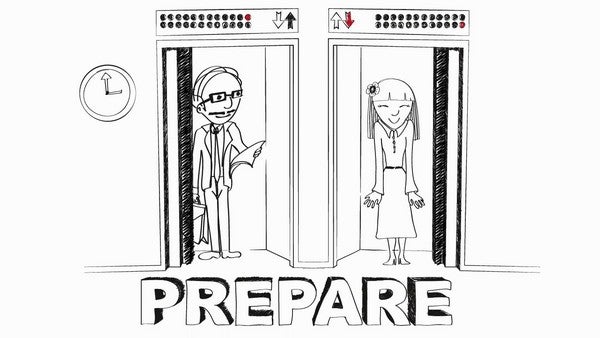
- Prepare effectively for your next interview
- Hire confidently with the future in mind
- Follow the same process for all interviews to avoid any unconscious biases
This course includes:
- Approximately 3 minutes of video lessons.
- A quiz with multiple-choice questions to check your understanding.
Number of topics: 2
People everywhere want to be treated with respect, and being respectful is shockingly easy. However, if everybody always treated everyone else with respect, we wouldn’t need to cover this stuff. So this course will help you create policies and protocols for reducing harassment, microaggressions, stereotyping, and other problematic elements of unhealthy and disrespectful workplaces.
Topics covered are:
- Use effective communication techniques to improve employee engagement, handle complaints, and create a respectful working environment
This course includes:
- Approximately 6 minutes of video lessons.
- A quiz with multiple-choice questions to check your understanding.

Number of topics: 2
Recruiting and Hiring: 02. The Hiring Process is an elearning course that will equip you with skills to recruit the right person for the job. Having a well thought-out, documented and repeatable process will help you hire qualified candidates. Not only does it take the guess work out of the hiring decision, but it also keeps you compliant with employment law. The process you use needs to make sense for the amount of hiring you do and the type of company you work for. In this course, we'll explore what that process should look like by breaking it down into three sections: what happens before posting a job, sourcing candidates, and verifying your candidates. This course is part of our Recruiting Toolkit series. It comes with a video with audio narration, downloadable materials, and a quick quiz. Take this course along with others in the Recruiting Toolkit series and acquire effective strategies to improve the hiring process.
Topics covered are:
- Identify the position for which you need to hire
- Effectively prepare for face-to-face and phone interviews
- Assess the knowledge and skills potential candidates need
- Utilize effective recruitment strategies that will save you time and money
This course includes:
- Approximately 14 minutes of video lessons.
- A quiz with multiple-choice questions to check your understanding.

Number of topics: 2
In our third video of a six-part series about emotional intelligence (EQ), Dr. Henry Cloud—psychologist, speaker and best-selling author—discusses why leaders must be aware of their own behaviors to develop EQ. Emotionally intelligent leaders know their triggers, but a lot of times leaders are unaware, which can be detrimental to decision-making and lead them down the wrong path. “If you get triggered, you're reacting, you're not proacting,” says Dr. Cloud. “And 99 percent of the time, a reaction never gets us to the results that a strategic choice of the best option chosen of several different options could have afforded us. But we don't know that we're reacting out of a feeling if we're not aware of our feelings.” Watch the video to hear an example of a leader who almost threw in the towel on his position because he was unaware of his triggers.
Topics covered are:
- Analyze how self awareness influences reactions during challenging leadership situations
- Identify emotional triggers that lead to defensive or reactive behavior
- Evaluate how recognizing emotions improves decision making and communication
- Apply self regulation techniques to respond thoughtfully instead of reacting impulsively
This course includes:
- Approximately 9 minutes of video lessons.
- A quiz with multiple-choice questions to check your understanding.

Number of topics: 2
Discover insights from the book "The Staff Engineer’s Path: A Guide for Individual Contributors Navigating Growth and Change" by Tanya Reilly. In this course, you'll learn how to build influence and create impact in a technical role without moving into management. The book includes strategies for time management, creating a technical vision, and unblocking stalled projects, as well as insights into career paths for senior engineers. This book is ideal for anyone who wants to advance in a technical career without leaving an individual contributor role. After this course, you'll be prepared to apply your insights about technical leadership to your life and career.
Topics covered are:
- Summarize the key points from "The Staff Engineer's Path"
- Apply insights from "The Staff Engineer's Path" in your life and career
This course includes:
- Approximately 19 minutes of video lessons.
- A quiz with multiple-choice questions to check your understanding.

Number of topics: 2
Too many companies and candidates overvalue what they give and get on the start date, rather than looking at whether the job represents a good career move for the candidate. This short-term mindset is the root cause of most hiring problems. By hiring for the anniversary date, rather than the start date, you will avoid most of these problems and attract stronger people. In this course from the creator of performance-based hiring, Lou Adler, you’ll learn about the importance of making this paradigm shift in thinking by being introduced to the top 10 best hiring and recruiting practices.
Topics covered are:
- Differentiate between a surplus mindset and a scarcity mindset
- Identify your company’s current mindset regarding hiring
- Apply the 10 best hiring and recruiting practices on real search projects
This course includes:
- Approximately 20 minutes of video lessons.
- A quiz with multiple-choice questions to check your understanding.
Number of topics: 2
Preventing harassment is essential to fostering a workplace where everyone feels safe, respected, and valued. Our course “Harassment Prevention and the Respectful Workplace” introduces the principles of respectful conduct and outlines the types of behavior that may be considered harassment. In this course, we’ll discuss the impact of harassment, highlight your responsibilities as an employee, and explain how to respond if you witness or experience inappropriate behavior. We’ll also explore how everyone can contribute to a culture of dignity and inclusion. This course includes downloadable materials for your reference and a quick quiz to test your retention of key takeaways.
Topics covered are:
- Define harassment and describe behaviors that contribute to a respectful workplace
- Recognize legal and organizational expectations for workplace conduct
- Explain how to respond to and report harassment
- Support a workplace culture of respect and accountability
This course includes:
- Approximately 27 minutes of video lessons.
- A quiz with multiple-choice questions to check your understanding.
Number of topics: 2
When it is time to hire new employees for your remote workplace, check out this elearning course, Recruiting and Hiring, to help you choose the best candidate. In this course we will discuss the differences between remote and regular recruiting, give you suggestions for effective ads, and review some of the qualities you'll want in a remote worker. Finally, we will discuss how to hold an interview remotely, the value of behavioral questions and general social conversation, and some of the unique things to consider when you are ready to put together an offer. Part of the series Virtual Human Resources, this elearning course includes a video lesson, downloadable student materials and a short online quiz to check your comprehension of the subject.
Topics covered are:
- Craft and effective ad for a remote position
- Hold social conversation to help gauge personality
- Create an offer with the remote workplace in mind
This course includes:
- Approximately 5 minutes of video lessons.
- A quiz with multiple-choice questions to check your understanding.